

Why Workflow Management Software for Law Firms Matters in 2025
Workflow management software for law firms has become a fundamental tool for legal professionals who want to operate with accuracy, efficiency, and consistency. As caseloads grow and legal teams handle increasingly complex matters, having a clear workflow is no longer a luxury—it is a necessity. A modern workflow system defines how tasks move through the firm, who is responsible for each step, and what deadlines must be met. When these processes are automated and organized, law firms reduce risk, save time, and deliver better results to clients.
At the core of every law firm’s daily challenges lies the struggle to manage repeated tasks, track timelines, and ensure nothing is missed. Manual workflows often lead to errors, duplicated work, and communication gaps. This is where workflow management software for law firms creates a real impact. It transforms scattered tasks into structured, repeatable processes that keep cases moving smoothly, without delays or confusion.
The Importance of Workflows in Legal Operations
A workflow is essentially a roadmap. It shows every action that must be taken from the moment a client contacts the firm until the case is fully resolved. Without a standardized workflow, staff members create their own systems, leading to inconsistencies and inefficiencies. Workflows ensure that every lawyer, paralegal, and assistant follows the same high-quality procedures.
Well-defined workflows also support compliance. Law firms operate in fast-paced environments where missed deadlines can lead to financial losses or even malpractice risks. A reliable workflow reduces uncertainty by making each step trackable and visible. Whether it involves sending documents to clients, filing motions, updating case notes, or scheduling hearings, a workflow ensures nothing is forgotten.
Benefits of Workflow Automation in Law Firms
When firms implement workflow management software for law firms, they instantly gain several key benefits:
1. Accuracy and error reduction
Automated workflows reduce human mistakes by ensuring that tasks follow a consistent sequence. No more missing forms, forgotten emails, or misplaced case files.
2. Increased productivity
Lawyers and staff spend less time navigating administrative tasks and more time handling strategic legal work. Automated task assignments keep everyone focused on what matters most.
3. Transparency and accountability
Everyone knows exactly what needs to be done, who is responsible, and when the task must be completed. This transparency reduces internal communication issues and delays.
4. Faster case progression
Automated reminders, structured task lists, and real-time updates allow teams to move cases forward without bottlenecks.
5. Improved client satisfaction
Consistent workflows lead to better communication and faster service delivery, which strengthens client trust.
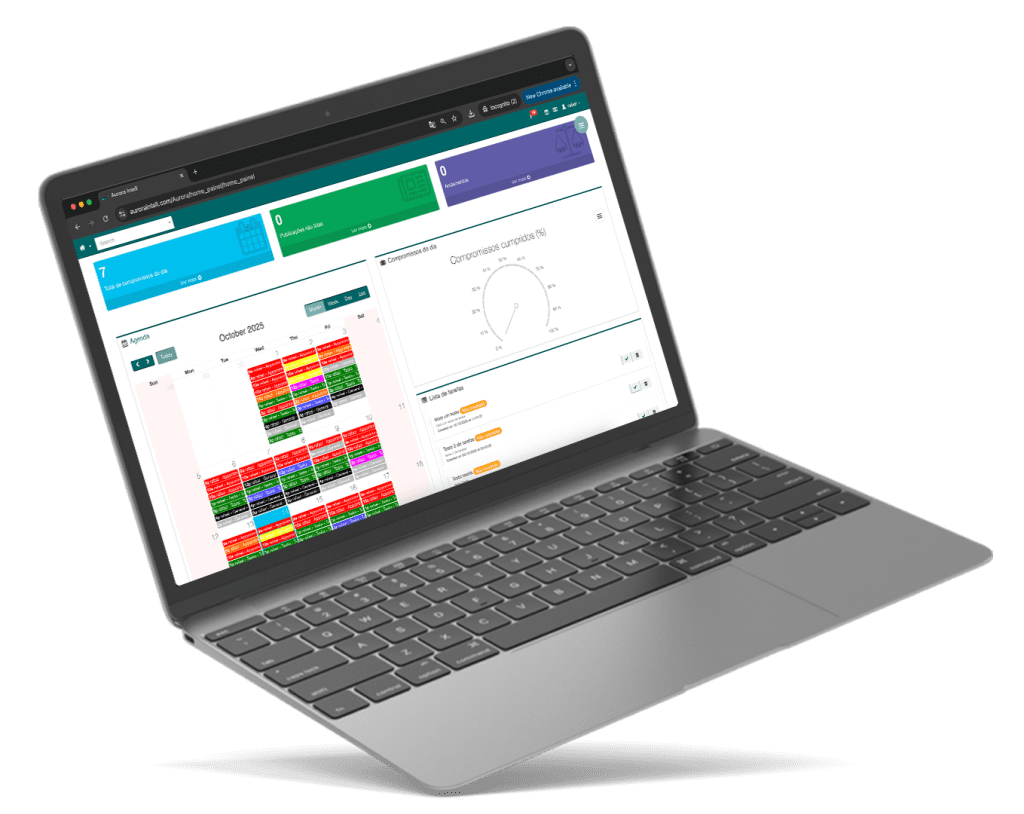
Why AuroraIntell Is the Best Workflow Tool for Legal Teams
This is where AuroraIntell stands out. The platform is more than just case management—it acts as a complete workflow engine designed specifically for legal operations. AuroraIntell allows law firms to build automated workflows for intake, contract reviews, document approval, litigation tasks, deadlines, and internal communication.
Each step of the workflow can be assigned to a specific team member, with automatic reminders and alerts to ensure nothing is overlooked. Because AuroraIntell integrates contracts, deadlines, documents, and client data in one place, law firms eliminate the need for multiple tools.
AuroraIntell also provides customizable templates that allow firms to create workflows unique to their practice areas. Whether you are managing immigration procedures, corporate contracts, family law cases, or compliance tasks, AuroraIntell adapts to your processes—not the other way around.
The Competitive Advantage of Using AuroraIntell
Law firms that implement workflow automation gain a clear competitive edge. With AuroraIntell, firms work faster, make fewer mistakes, and maintain complete control over every step of legal operations. This leads to better outcomes, stronger client relationships, and scalable growth.
To follow:
According to the American Bar Association’s Legal Technology Resource Center, modern law firms rely increasingly on workflow automation tools to handle growing caseloads efficiently.
👉 https://www.americanbar.org/groups/departments_offices/legal_technology_resources/
International standards such as those recommended by ISO highlight the importance of structured workflows and consistent documentation practices for organizational efficiency.