

Managing contracts efficiently has become essential for organizations that need transparency, governance, and control over legal, procurement and commercial processes. As companies grow, manual methods such as spreadsheets, email chains and shared folders become slow and risky. This is where contract management software (CLM — Contract Lifecycle Management) delivers measurable value. A modern platform centralizes contracts, automates approvals, tracks expiration dates, increases visibility, and reduces the risk of lost documents or missed obligations.
What Is Contract Management Software (CLM)?
Contract management software is a digital system designed to support the entire contract lifecycle — from creation to negotiation, approval, execution, monitoring and renewal. A robust CLM offers:
- Secure storage
- Version control
- Workflow automation
- Alerts for critical dates
- Audit trails
- Reporting dashboards
- Integration with business tools
With these functions, organizations replace manual work with standardized digital processes that increase productivity and reduce legal exposure. According to a recent industry study, companies using CLM solutions can reduce processing time by more than 50%, allowing managers and legal teams to focus on strategic work rather than administrative tasks. (External reference: Gartner Market Guide for CLM)
Source: https://www.gartner.com/en
Key Criteria When Choosing Contract Management Software
When evaluating options, decision-makers should analyze several important aspects. Below are five essential criteria that help ensure a long-term, scalable choice.
1. Security and Regulatory Compliance
Contracts contain sensitive information. The ideal contract management software must support encryption, access control by role, multi-factor authentication and full audit logs. These features protect corporate data and help meet compliance requirements in regulated industries.
2. Advanced Version Control
Legal teams frequently revise clauses and formatting. A CLM must store each revision, allow document comparison, and prevent outdated contracts from being used by mistake.
3. Workflow and Automation Rules
Every organization has a different approval chain. A good platform allows automated flows — for example:
- Procurement → Legal → Compliance → Finance
- Sales → Legal → Management
This removes bottlenecks and accelerates contract approval.
4. Search and Reporting Intelligence
Being able to search for clauses, suppliers, contract values or obligations in seconds is a major advantage. Powerful reporting tools give managers visibility and improve decision-making based on real data.
5. Scalability and Integration
As your company grows, your CLM must grow with it. Integration with ERP, CRM, cloud storage or digital signature platforms ensures a connected ecosystem and avoids duplicated work.
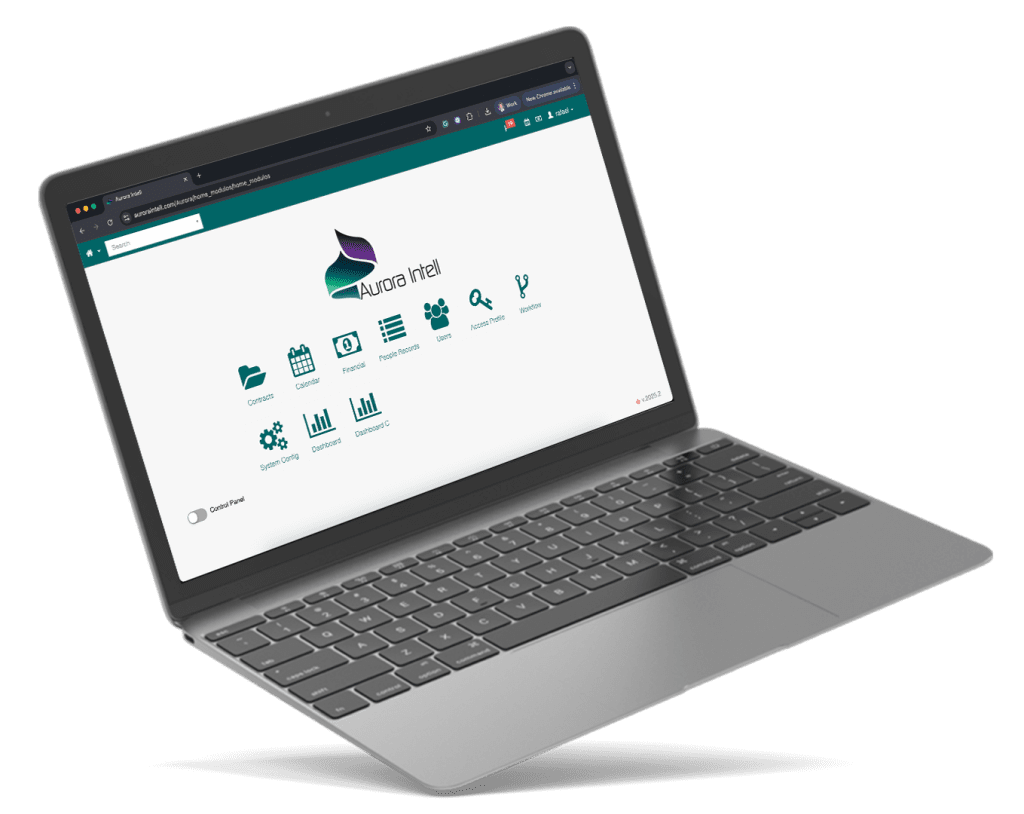

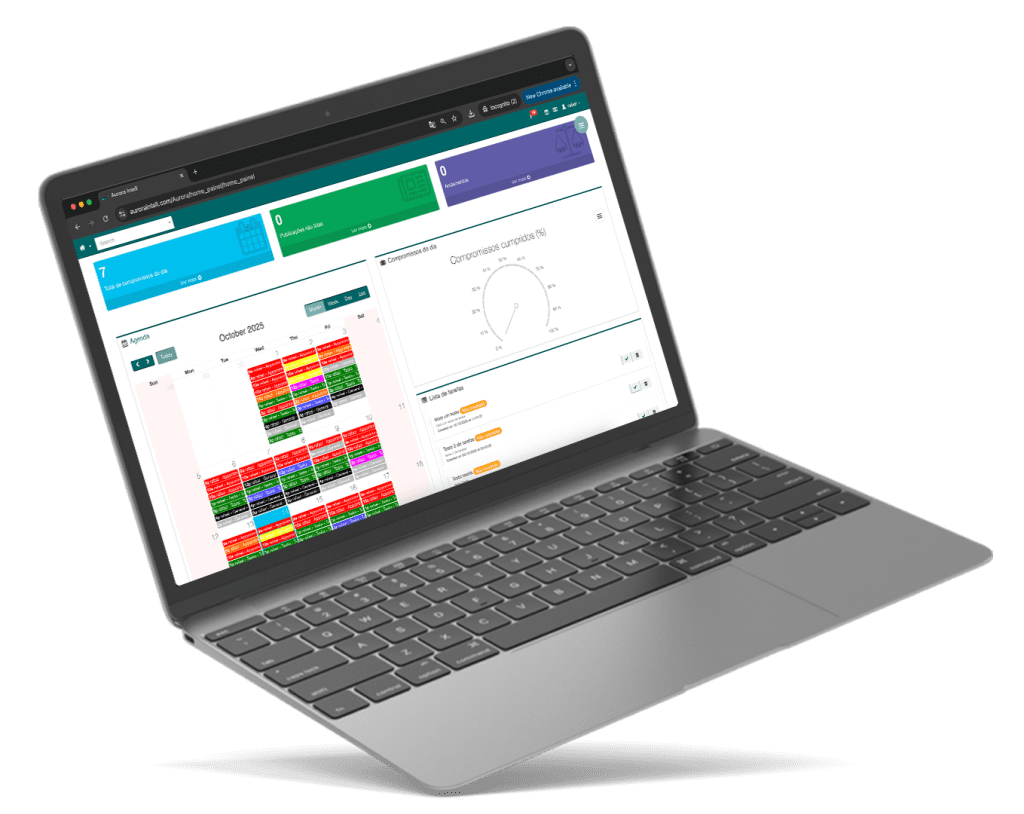
How AuroraIntell Supports Contract Management Implementations
AuroraIntell helps organizations select and implement contract management software tailored to their needs. At auroraintell.com, companies find consulting services, practical use cases and guidance for configuring workflows, contract libraries, approval rules and reporting.
The implementation process typically includes:
- Mapping current contract processes
- Identifying types of agreements
- Creating standardized templates
- Defining access rules
- Training internal users
- Establishing KPIs and audits
By implementing correctly, companies gain speed, security and long-term governance.
Adoption Strategy and KPIs for Success
Implementing CLM is not only a technological change — it is organizational. Companies should plan an onboarding strategy including workshops, documentation and continuous training. To measure results, track KPIs such as:
- Average approval time
- Number of missed renewals eliminated
- Number of standardized templates adopted
- Compliance rate
- Cost per managed contract
These metrics demonstrate return on investment and support continuous improvement.
Final Call to Action
The software should work with your current systems, not replace them. APIs and connectors help synchronize data with digital signature platforms, CRM, ERP and document storage.
Before committing to a particular vendor, companies should test the solution with real contracts through a Proof of Concept (POC). This allows the team to measure how the platform fits current business needs and complexity.
AuroraIntell provides consulting services and solutions to support organizations in identifying the best contract management software and implementing it successfully. At auroraintell.com, you’ll find insights, use cases, and guidance to deploy a CLM solution aligned with your processes.
If your organization is considering contract management software, or needs support to improve existing processes, visit auroraintell.com and talk to our team. We help companies deploy efficient, scalable and secure CLM solutions that increase operational control and long-term business value.